When readers pick up a story set in an urban environment, they rarely expect clean genre lines. They expect tension. Not just legal tension, but emotional tension. Not just romance, but conflict inside the romance. Not just drama, but consequences.
This mix of expectations defines urban crime fiction today. It doesn’t separate crime, love, and social conflict into neat boxes. Instead, it lets them collide.
It Doesn’t Start With a Detective
Traditional crime fiction thriller stories often begin with a crime and move toward investigation. Urban storytelling moves differently. The characters are usually already inside the pressure.
Legal risk might already exist. Financial ambition might already be in motion. Relationships might already be strained. Crime is not the beginning of the story. It is part of the environment.
That difference changes everything.
In urban crime fiction, characters don’t solve chaos from the outside. They live inside it. A plea deal, a weapon charge, or a risky alliance affects not just freedom but also reputation and relationships. Crime reshapes everyday life.
The Evolution of Urban Storytelling
Older street stories often focused mainly on territorial crime and underground markets. While those themes remain, today’s urban fiction covers much more.
Now, stories include media goals, business risks, managing image, and online exposure. Crime mixes with branding. Romance mixes with power. Drama mixes with being seen.
This change makes modern urban fiction more appealing. Readers aren’t just reading about danger—they’re connecting with stories about managing identity, loyalty under stress, and the price of success.
Mixing genres reflects this complexity.
Do you want your next read???
The Best Street Lit and Urban Fiction Books of 2026
Love Is Rarely Separate From Power
Romance in urban fiction often surprises readers who expect only street-focused stories. But love here is rarely gentle or separate from ambition.
Two people might start as partners but slowly turn into competitors. Recognition, money, and status change the balance in relationships. Emotional closeness gets complicated when one person’s success depends on being seen and having influence.
This is where many urban crime and romance novels get their intensity. Love isn’t a way out of danger; it can make it worse. The person closest to you might know your weaknesses better than anyone else.
So, romance raises the stakes instead of easing them.
Drama Lives Inside the Community
Crime brings risk. Romance brings tension. Drama brings pressure.
In modern urban fiction, drama often comes from family conflicts, generational rivalries, and managing public image. For example, a tense mother-daughter relationship can shape how ambition shows itself. Jealousy isn’t kept private—it turns into social tension.
How the community sees you matters too. In many urban black fiction stories, characters live within tight social networks. Success brings attention. Mistakes spread fast. Reputation needs constant protection.
This leads to layered stories. One choice can cause legal trouble, romantic problems, and family conflicts all at once. Drama makes sure crime isn’t seen alone.
Why Readers Prefer the Overlap
Readers who enjoy urban thrillers often want emotional depth more than clear procedures. They want to see how ambition changes people and how loyalty shifts under pressure.
Traditional crime thrillers often focus on finding the culprit. Urban stories often focus on endurance. Can a character stay in control? Can a relationship survive being exposed? Can someone protect their image while dealing with consequences?
This difference reflects bigger cultural changes in storytelling. Audiences are more interested in flawed heroes and complex conflicts.
The Genre Has Evolved
Earlier street-focused stories mainly dealt with territorial crime and underground economies. While those themes are still there, modern urban fiction now includes media ambition, entrepreneurial hustle, image management, and digital exposure.
Crime now connects with branding. Romance connects with status. Drama connects with visibility.
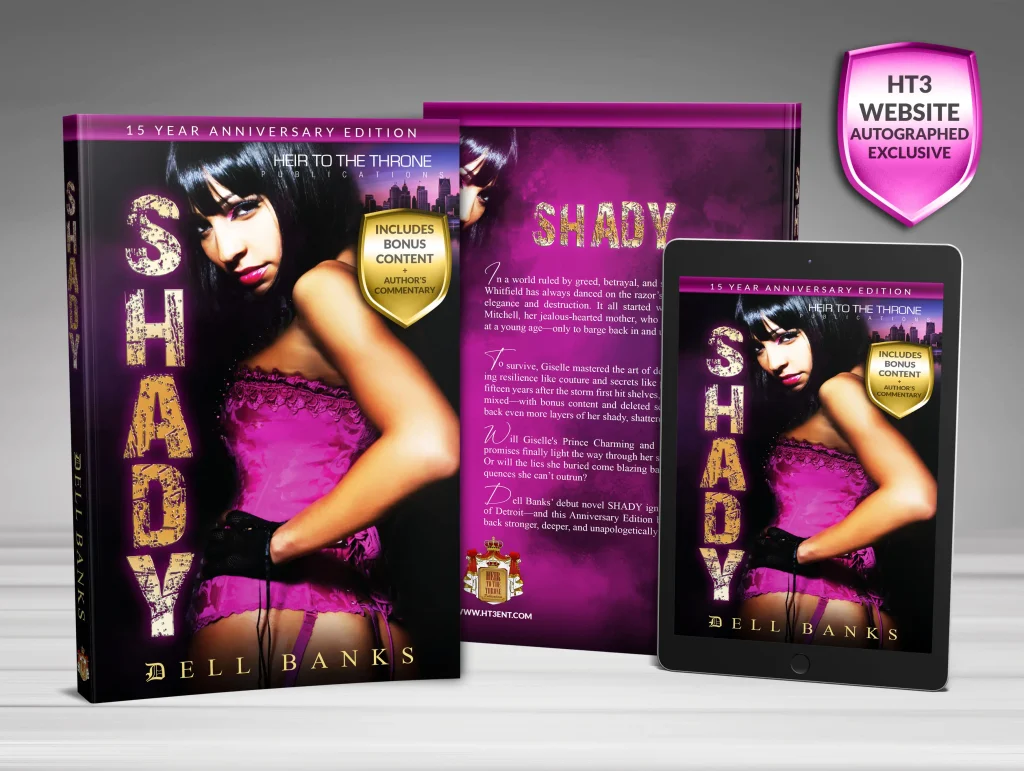
A recent example of this layered style is Shady by Dell Banks, where legal troubles, romantic ambition, and family rivalry happen together instead of separately. The story shows how one choice can impact freedom, trust, and public identity all at once.
This connected structure shows how urban crime fiction keeps evolving.
More Than One Genre at Once
Calling these stories just crime narratives downplays their emotional depth. Calling them romance stories ignores their legal risks. Calling them drama misses how risk shapes everything.
The modern urban fiction book succeeds because it accepts complexity. Crime provides consequences. Romance provides vulnerability. Drama provides social weight.
Together, they create stories that feel immediate instead of separated into parts.
Urban storytelling doesn’t split life into genres. It shows how ambition, loyalty, and survival happen at once, often clashing with each other.
This blending isn’t just a style. It reflects how conflict really works.